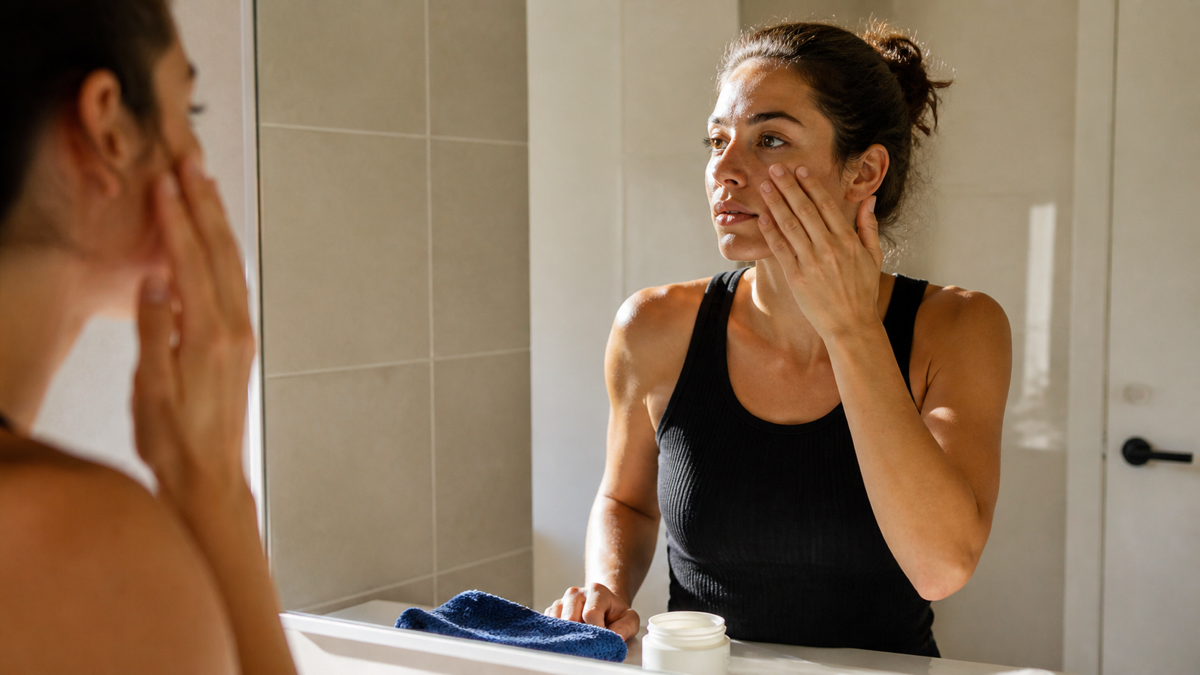
Your moisturizer is open, your hands are clean, and a video has promised to depuff, sculpt, lift, and detox your face before your first meeting. That is an impressive job description for a three-minute skin care step.
The realistic facial massage benefits are smaller, but still useful. Gentle massage may feel relaxing, briefly increase blood flow in the skin, and make mild, familiar puffiness look less noticeable for a while. Early studies also report changes in skin elasticity, muscle measurements, or facial contours after regular roller or gua sha use. Those studies are small, though, and do not prove that massage creates a lasting lift or reverses skin aging.
Think of facial massage as an optional comfort and skin care ritual, not a facial remodeling project. If it feels good and your skin stays calm, it may earn a place in your routine. If it causes soreness or irritation, you are not missing a secret anti-aging requirement by stopping.
Facial massage benefits at a glance
The benefits of massage on the face depend on the technique, pressure, frequency, and reason you are doing it. A gentle hands-only massage is different from a facial roller study. It is also different from professional manual lymphatic drainage or another clinical treatment.
| Possible benefit | What is reasonable to expect | What the evidence does not show |
|---|---|---|
| Relaxation | A short routine may feel calming or comfortable. | Treatment for anxiety, chronic stress, or a health condition. |
| Temporary warmth or fresh-looking color | Massage can briefly raise blood flow in the area being worked. | Better long-term skin health from circulation alone. |
| Less visible mild puffiness | Light touch may temporarily change the look of ordinary fluid-related puffiness. | Treatment for new, painful, one-sided, or persistent swelling. |
| A more comfortable facial routine | Gentle touch may help you notice areas where you habitually tense your jaw or brow. | A cure for jaw disorders, headaches, or facial pain. |
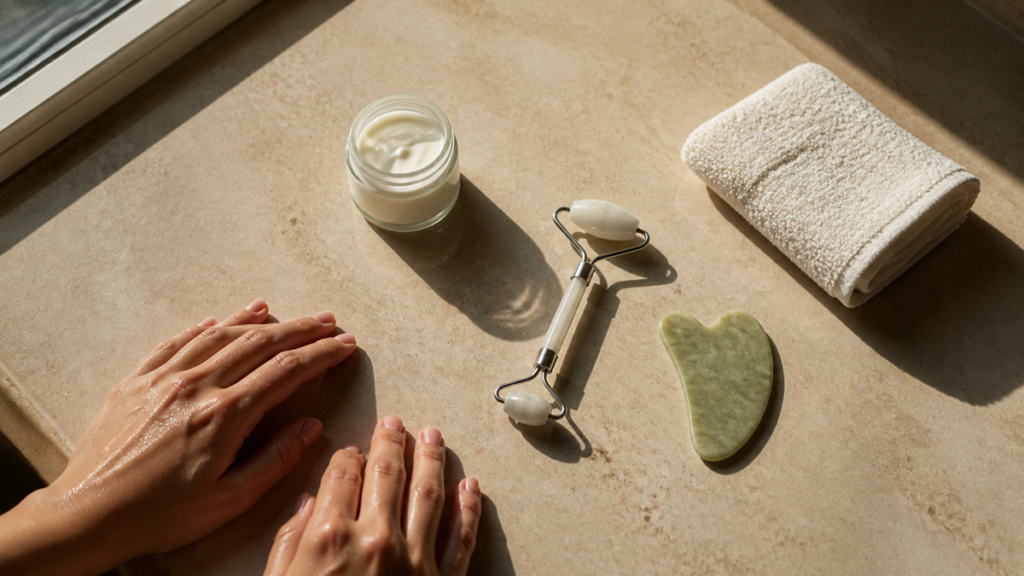
| Possible small changes with regular tool use | Early studies report some measured changes after weeks of roller or gua sha massage. | A permanent facelift, fat loss, bone change, or predictable rejuvenation. |
What is the purpose of facial massage?
There is no single purpose. In a simple home routine, facial massage may be used for relaxation, comfortable touch, temporary cosmetic effects, or to spread a familiar moisturizer without hurried rubbing. Some people also like the pause it adds to the end of the day. Enjoyment is a valid reason; you do not need a dramatic side-by-side photo to justify the routine.
If you want to turn that idea into a simple hands-only routine, start with these beginner facial massage techniques before adding a tool.
Clinical manual lymphatic drainage has a different purpose. Trained professionals use this specialized, gentle technique as part of care for lymphedema and certain other medical situations. A cosmetic face massage borrows some light movements, but it is not a substitute for a personalized drainage plan or medical assessment.
Our guide to lymphatic facial massage explains that distinction, along with realistic results and situations when you should skip a cosmetic routine.
If your goal is to treat swelling, pain, acne, rosacea, or another condition, the purpose changes from self-care to health care. That is the point to ask an appropriate clinician what is causing the symptom and whether massage belongs in the plan.
Which facial massage benefits have evidence behind them?
1. A short massage may feel relaxing
Relaxation is one of the most plausible reasons to try facial massage. In a randomized crossover study, 22 healthy women received either a three-minute facial massage or a three-minute rest. Participants reported greater relaxation and comfort after the massage. The researchers did not find matching changes in pulse or salivary alpha-amylase, a stress-related marker, and the blood-pressure findings did not explain the reported relaxation.
That makes the result encouraging but narrow. The study involved young women in a controlled setting and measured an immediate response. It does not show that facial massage treats anxiety or produces lasting stress reduction. It does support a simpler conclusion: three comfortable minutes of touch can feel good.
2. Massage can temporarily increase facial skin blood flow
One of the clearest measured effects of face massage is a short-term change in local circulation. In a 2018 study, five minutes of roller massage on one cheek increased skin blood flow in that cheek for at least 10 minutes afterward. This part of the study included 12 adults.
A separate five-week test in 14 adults found a change in how blood vessels in the massaged cheek responded to heat. These results show that mechanical stimulation can affect local blood flow. They do not show that massage delivers more nutrients to the skin, clears acne, builds collagen, or creates a lasting glow.
Your face may look a little warmer or fresher right after massage. Treat that as a temporary response, not proof that your skin has been transformed.
3. Gentle touch may help mild puffiness look less noticeable
Facial lymphatic drainage may temporarily reduce the look of puffiness for some people. The key words are may and temporarily. Direct cosmetic research in healthy faces is limited, and ordinary morning puffiness is not the same as diagnosed lymphedema.
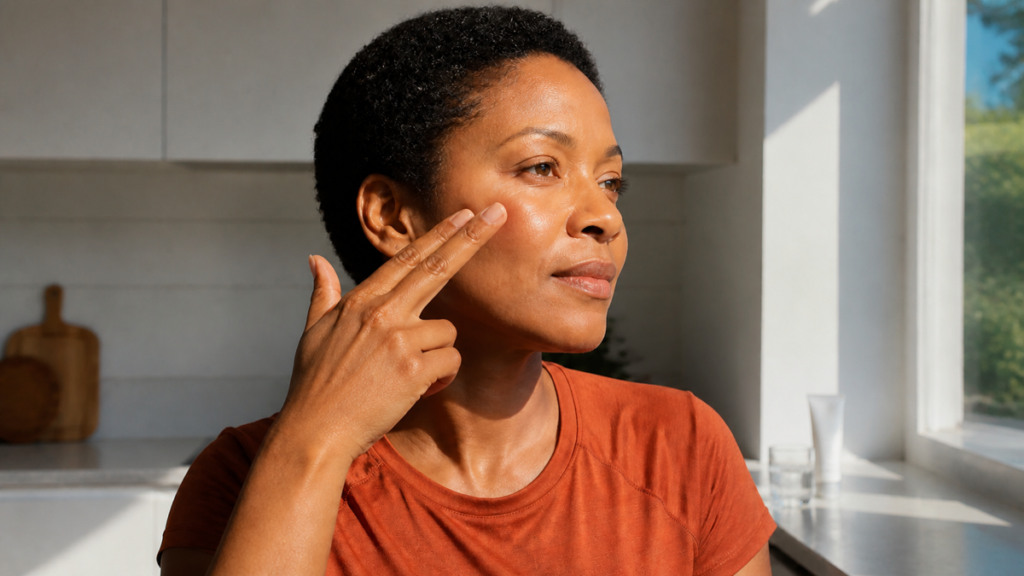
If that is your main goal, follow a focused facial massage for puffiness routine instead of pressing harder or making a general massage longer.
Light pressure makes more sense than force. Lymph vessels sit close to the surface, while hard rubbing can leave skin irritated. If you try a cosmetic routine for familiar morning puffiness, use slow, comfortable contact and stop if the area becomes sore, hot, or more swollen.
Massage is not the right response to every puffy face. New, one-sided, painful, red, hot, or persistent swelling needs professional assessment. Seek emergency help if your lips, mouth, tongue, or throat suddenly swell or you have trouble breathing or swallowing.
4. Regular roller or gua sha use may cause small measured changes
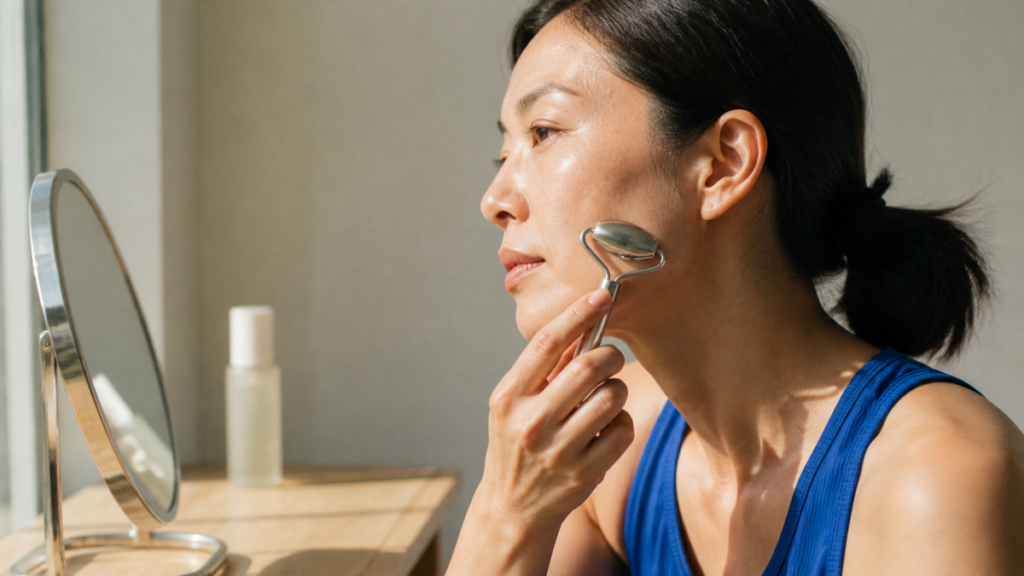
The most interesting recent research on facial massage benefits for skin tested tools rather than a quick hands-only routine. In a 2025 trial, 34 women ages 20 to 50 were assigned to use either a facial roller or gua sha for 10 minutes, five times a week, over eight weeks. Both groups had changes in measured facial contours. The gua sha group had changes in muscle tone and stiffness, while the roller group had changes in skin elasticity.
This sounds more conclusive than it is. There was no group that did no massage. We cannot tell how much of the change came from massage rather than time, repeated measurement, the skin product, or another factor. The study also cannot show whether results lasted after the routine stopped. A tool study does not automatically prove the same outcome from massage with your hands.
A 2025 systematic review adds useful perspective. It found 12 studies with 321 women testing facial exercise, myofunctional therapy, manual massage, or related methods. Only two studies assessed manual massage. Methods and outcomes varied, samples were small, and long-term follow-up was limited. The reviewers concluded that current evidence is not strong enough to confirm facial rejuvenation with confidence.
So the honest summary is promising but preliminary. A consistent tool routine may produce small changes for some people, but a lasting lift is not an evidence-based promise.
5. It can make moisturizer application feel more intentional
This is a practical benefit, not a biological breakthrough. A small amount of a moisturizer or facial oil your skin already tolerates can give your fingers enough slip for comfortable gliding. Moving slowly may also help you apply the product evenly and notice irritation before you keep piling on more steps.
Massage has not been shown to make every active ingredient work better or push products deeper into the skin. More product is not automatically better, either. Use enough to prevent drag, then let the formula do the job it was designed to do.
What facial massage cannot reliably do
The internet tends to turn a pleasant routine into a list of medical and anatomical promises. Current evidence does not support saying that cosmetic facial massage can:
- permanently lift sagging skin;
- reshape your facial bones;
- remove facial fat or cause weight loss;
- erase wrinkles;
- stimulate enough collagen to replace evidence-based skin care or treatment;
- cure acne, rosacea, sinus problems, or jaw disorders;
- boost immunity or “flush toxins” from a healthy body;
- produce the same result for every face.
Temporary contour changes can come from shifts in fluid, warmth, product sheen, lighting, or facial expression. They are not proof that tissue has moved into a new permanent position.
If you want to support long-term skin health, keep the basics in their proper place. Gentle cleansing, a moisturizer that suits your skin, sun protection, and professional care for persistent concerns have clearer roles than an aggressive massage trend.
Who should skip facial massage or get advice first?
Even light massage is not right for every skin day. Skip it over cuts, cold sores, sunburn, rashes, infections, painful cysts, or skin that already burns or stings. The American Academy of Dermatology advises people with rosacea to avoid rubbing, scrubbing, and massaging affected skin because irritation can trigger a flare.

Get personalized advice before massage if you:
- have unexplained or recurring facial swelling;
- have diagnosed lymphedema or have had lymph nodes removed or treated with radiation;
- recently had surgery, injections, laser treatment, a peel, dental work, or a facial injury;
- have active cancer, an infection, a blood clot, heart disease, kidney disease, or another condition that may change whether lymphatic-style massage is appropriate;
- have persistent facial pain, numbness, weakness, or trouble opening your mouth.
If you are pregnant or recently gave birth, sudden swelling in your face or hands can be a warning sign of preeclampsia. Skip massage and contact your maternity care team promptly, especially if you also have a headache that will not go away, vision changes, upper abdominal pain, nausea, or trouble breathing.
Follow the aftercare instructions from the professional who performed any procedure. Timing that is suitable after one treatment may be wrong after another.
How to try facial massage without overdoing it
You do not need a stone, roller, special cream, or 20-minute routine to find out whether you enjoy massage. Start with your hands and a familiar product.
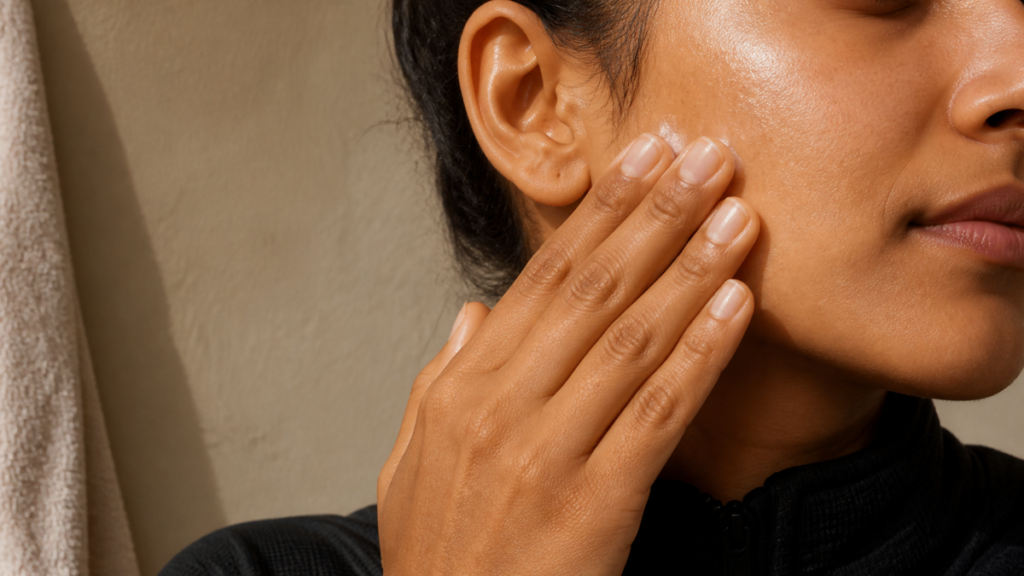
- Wash and dry your hands. Remove rings that could scratch your skin.
- Cleanse gently, then apply enough moisturizer or facial oil for your fingers to glide without pulling.
- Use the flat pads of your fingers and light, comfortable pressure. Go even lighter around the eyes.
- Try two or three minutes of slow strokes across the cheeks, jaw, and forehead. Keep away from the eyeballs and front of the throat.
- Check your skin immediately and later that day. Shorten or skip the next session if you notice lingering redness, dryness, tenderness, or breakouts.
There is no proven universal schedule. Some people enjoy a short daily massage; sensitive skin may prefer less. The main advantage of face massage is that it can be brief and adaptable. Use the minimum pressure and time that feel comfortable instead of treating soreness as progress.
FAQ
Does facial massage actually work?
Facial massage works well for modest goals. A short session can feel relaxing and temporarily increase local skin blood flow while reducing the appearance of mild puffiness. However, evidence for lasting lifting, wrinkle reduction, or rejuvenation remains limited and inconsistent.
Is facial massage good for acne-prone skin?
It depends on how your skin reacts. Use clean hands and a familiar non-comedogenic product, and avoid rubbing inflamed or painful breakouts. Massage does not treat acne. If friction or a product worsens your skin, stop and return to a gentle routine recommended for you.
How soon will you see results?
Relaxation or warmth can happen during or soon after a session. A subtle change in mild puffiness may also be temporary. Studies that measured other changes used frequent routines for several weeks, and they did not establish lasting results after massage stopped.
Is facial massage worth adding to your routine?
Yes, if you enjoy the feeling, your skin tolerates it, and your goal is realistic. Skip it if the routine irritates your skin or takes time from care that matters more. The same goes if it keeps you chasing a permanent lift it cannot promise.
Try two quiet minutes with clean hands and a moisturizer you already own. Notice comfort, not cheekbone geometry. That is the most useful purpose of facial massage for a beginner: a simple ritual you can keep, shorten, or skip without guilt.